
Today I want to talk about something that surprises almost every rental owner at some point — the real cost of getting a home rent-ready.
Almost everyone is shocked the first time they see a turnover estimate. And honestly, that usually comes from not fully understanding what today’s rental market actually looks like. A lot of owners assume the next rent will automatically be higher and that the home just needs a quick clean before it goes back on the market.
But here’s the reality: even great tenants live in a home- like a home. So when they move out, walls need paint, floors show wear, cabinets look tired, and the yard usually needs attention. On the surface, turnover feels simple — paint, clean, fix a few things, and move on. In reality, turnover is one of the most expensive — and most important — moments in the life of a rental property.
It’s also where owners are most tempted to cut corners. Skip flooring. Keep outdated fixtures. Patch walls instead of repainting. And that instinct makes total sense — especially if you’ve just experienced a bad tenant with lost rent and damage. At that point, everyone is trying to limit losses.
But here’s the biggest misconception we see: owners think they’re competing against how their property looked last year. They’re not. They’re competing against everything on the market right now.
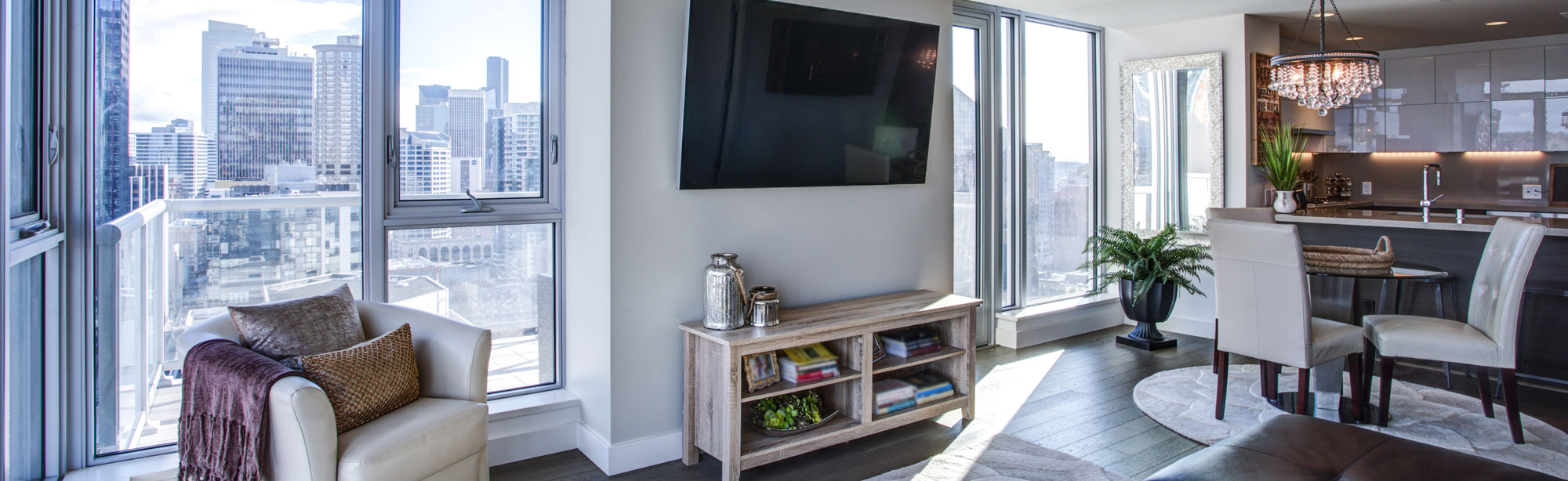
Tenants have endless options. They’re scrolling through dozens of listings in minutes. If a home looks tired, dated, or neglected, it often doesn’t even get a second look — no matter how good the location or the price is. And even if it does get shown, things like patched walls, worn cabinets, missing blinds, or outdated lighting will cause a renter to move on immediately.
Their mindset is simple: if I’m paying market rent, I expect a home that feels clean, updated, and move-in ready.
This is where owners push back the hardest — and we get it. Spending more money after a bad tenant experience feels painful and risky.
But here’s the hard truth: under-updating almost always costs more.
Homes that are partially updated tend to sit. Days turn into weeks. Weeks turn into months. And lost rent adds up fast. Then owners end up reducing the price anyway — which usually costs far more over time than doing the updates properly upfront.
Let’s talk numbers for a minute. A basic turnover might cost around $3000 for paint and general repairs. But if that home sits vacant for three to six months at $1500 a month, you’ve just lost $4500 to $9000 in rent — plus utilities, lawn maintenance, and marketing costs. And after about thirty days, interest in your listing drops off significantly until there’s a price reduction. And that’s limited because tenant wonder what’s wrong with this home.
Tenants don’t want “just okay” homes. They want clean, modern, move-in-ready properties. They’re not comparing your rental to last year’s version — they’re comparing it to the best listing they saw this morning.
So what about just updating here and there? Honestly, selective upgrades can backfire. When you update one area and leave the rest untouched, the outdated parts stand out even more. A refreshed kitchen with old flooring or dated lighting doesn’t feel upgraded — it feels unfinished.
And deferred updates don’t disappear. They quietly erode value, tenant quality, and performance over time.
Tenants are also constantly watching Zillow. As prices soften, beautifully updated homes fall into the same price range you’re competing in — and that’s where your tenant goes next. They won’t renew. They’ll gravitate toward the home that feels newer and better cared for.
We’ve owned rental properties for over twenty years, and because we update consistently, our homes lease quickly and attract strong tenants — even in competitive markets. That real-world experience is exactly how we advise our clients.
So what do we actually do during a turnover?
We keep it simple, durable, and consistent. And yes — most of it comes from Home Depot and BrandsMart. They’re price performers, and they hold up.
We start with paint. Neutral walls — off-white or Accessible Beige — with white gloss trim. No gray, no accent walls, no wallpaper. This is an investment property, not a design project.
We do luxury laminate flooring throughout the entire home. It costs more upfront, but it holds up tenant after tenant after tenant. Mixing hardwood here, tile there, vinyl somewhere else just makes a home feel old and choppy. This is one update we never skip.
Bathrooms get affordable, modern vanities from Home Depot. If there’s a cast-iron tub, we refinish it instead of replacing it. Old fixtures get replaced so everything feels clean and updated.
Kitchen countertops are laminate from Home Depot — lighter options like White Ice or Calacatta. They look like stone, brighten the space, and perform well. We never install granite in our rentals.
We professionally paint kitchen cabinets white. That means, doors are removed, hardware comes off, everything gets sanded and painted inside and out, and we finish it with new hinges and handles. It’s one of those details people underestimate, but it makes a huge difference.
We install window blinds in every room. Sliding doors get a curtain rod — not curtains — so tenants can personalize. And we stay away from vertical blinds on glass doors because they just don’t hold up.
Appliances are stainless steel from BrandsMart. White and black appliances cost about the same, so upgrading to stainless just makes sense. We install practical packages — top-freezer refrigerators, stoves, range hoods, no microwaves, and dishwashers, which are a must.
Lighting is simple and bright. Ceiling fans come out and get replaced with dual-bulb flush-mount fixtures — never single-bulb lights. Bathrooms get light strips, kitchens get LED fixtures, and dining rooms get basic chandeliers. Nothing fancy.
We replace all doorknobs, make sure doors match, address safety items like decks and railings, and then handle the basics — leaks, outlets, switches, vent fans, window panes, smoke and carbon monoxide detectors, and a deep clean.
So what does all of this cost? If you don’t go overboard, it’s usually between $8000 and $15000, depending on the size of the home. And once it’s done, future turnovers are so much cheaper — mostly touch-up paint, which might be 1 wall from corner to corner, minor repairs, and cleaning.
At the end of the day, rental properties are long-term investments, not short-term cash grabs. The real value is the asset itself, and every turnover is a chance to protect it, strengthen it, and re-position it in the market.
Smart owners focus on return — not just cost. Strategic updates lease faster, attract better tenants, reduce maintenance, and perform better long-term. Taking the plunge feels uncomfortable, but it’s often the turning point that stops the cycle of vacancy, concessions, and constant repairs.
If you want an honest, market-driven perspective on what actually matters during a turnover — and what doesn’t — working with an experienced property management company like us makes a real difference. And if you have a property that needs attention and you’re not sure where to start, reach out. We’re always happy to share what we’ve learned and help you think through your next step.
And if this was helpful, subscribe. We put out a lot of content like this for DIY landlords and owners who already have management in place.
#AtlantaAreaPropertyManagement #AtlantaMarietta #Section8