




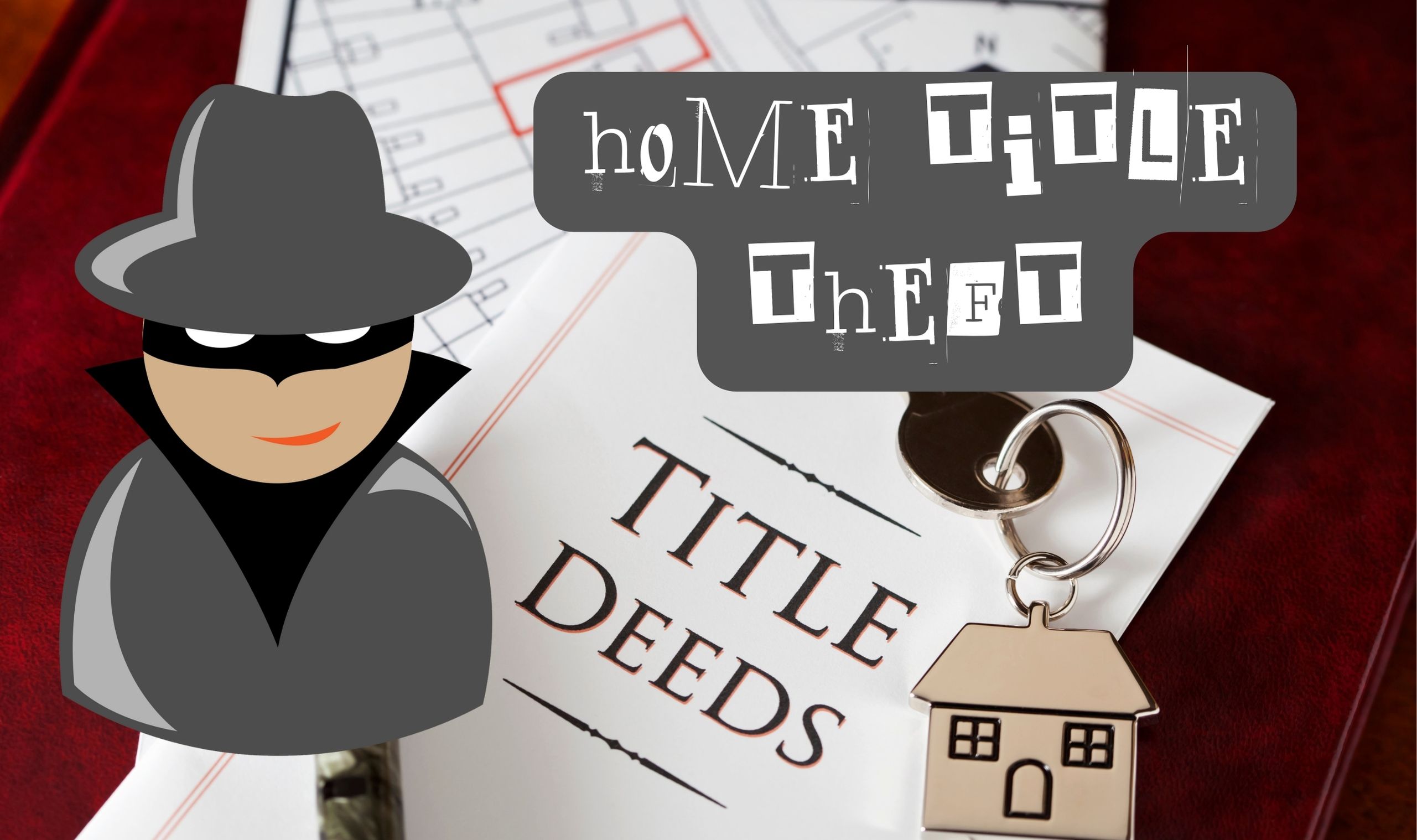
Home title fraud is real. You’ve seen those commercials, and for many homeowners it’s not something they think about until they hear a story that hits a little too close to home. Title fraud (sometimes called deed fraud) happens when someone uses stolen personal information to forge documents and transfer ownership of a property or place liens or loans against it—without the owner’s knowledge. It’s not common, but when it does happen, the consequences can be stressful, expensive, and deeply unsettling.
What makes title fraud especially frustrating is how quietly it can occur? There’s usually no phone call, no knock on the door, and no immediate warning. Many owners only discover a problem after receiving a notice about a loan they never applied for or legal paperwork involving a property they thought was secure. By then, it can feel overwhelming to figure out what happened and how to fix it.
Some properties are simply easier targets than others. Homes that are paid off, vacant, or owned by seniors or out-of-state owners tend to attract more attention from fraudsters because activity on those properties may not be closely watched. Rental properties can also fall into this category, especially when owners assume that “no news is good news” and don’t regularly review public records.
The good news is that there are practical steps owners can take to stay ahead of this risk. Periodically checking county property records to confirm ownership details is a simple habit that can go a long way. Being mindful about how and where you share personal information, securing your mail, and properly disposing of sensitive documents also help reduce the chances of identity theft—which is often the first step in title fraud.
In Georgia, homeowners have an added layer of visibility through the Georgia Superior Court Clerks’ Cooperative Authority (GSCCCA). The GSCCCA offers a free service called the Filing Activity Notification System (FANS), which sends email or text alerts when certain documents are recorded under your name or property address. Since deeds and liens must be recorded to be legally valid, these alerts can give you an early heads-up if something doesn’t look right.
It’s important to be clear about what this kind of tool does—and doesn’t—do. GSCCCA alerts won’t stop someone from attempting fraud, but they can help you catch it sooner. That early notice gives you time to act quickly by contacting the county clerk, filing a police report, and speaking with a real-estate attorney before the situation grows into a much larger problem.
Protecting your home doesn’t come down to one single solution. It’s about staying engaged, using available tools like GSCCCA alerts, keeping good records, and paying attention to changes that don’t make sense. A little awareness and monitoring can make a big difference in protecting one of your most valuable investments—and your peace of mind.
#FraudStory #RentalFraud #LandlordFraud #PropertyManagement #GeorgiaLandlord #RealEstateFraud #TenantFraud #LandlordEducation #RiskManagement #AtlantaPropertyManagement