

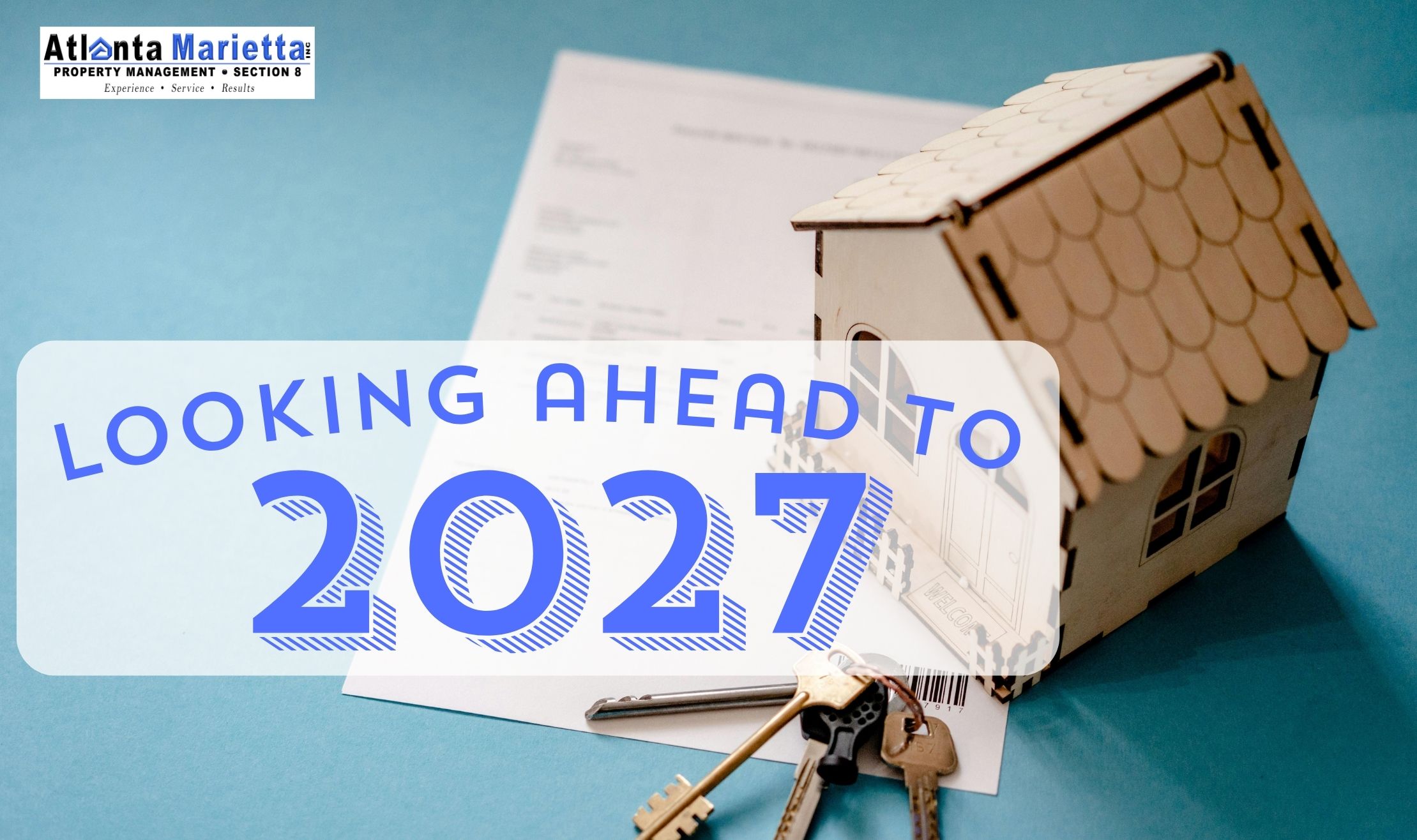
Looking Ahead to 2027: Changes on the Horizon
As we enter 2027, Metro Atlanta rental property owners face another year of evolving market conditions, increased competition, and regulatory changes.
Rental Demand and Pricing
The question heading into 2027 may not be "Will rents increase?" but rather, "Will rents finally stop declining?"
We anticipate rental demand and pricing will remain relatively flat in 2027, with performance varying by property type and location.
Single-family detached homes may experience stable rents to modest increases, while attached properties—including townhomes, condominiums, and apartments—will likely continue facing greater pricing pressure, with rents remaining flat or declining in some areas.
Although new apartment construction is slowing, the existing supply of rental housing will likely continue influencing pricing and concessions.
Legislative and Regulatory Changes
As Georgia's 2027 legislative session approaches, rental property owners should watch for potential proposals addressing rent increase restrictions, algorithmic rental pricing, tenant protections, property maintenance requirements, and institutional ownership of single-family homes. Similar measures were considered in 2026 but did not become law. While their future remains uncertain, these issues could receive renewed attention as lawmakers continue addressing housing affordability and rental market regulations.
Our Overall Market Assessment
Our expectations for 2027 are similar to what we experienced in 2026:
Rental rates are likely to remain relatively flat, with some properties experiencing modest declines.
Rental concessions will continue to play an important role in attracting tenants.
New apartment construction is slowing, although existing inventory remains elevated.
Elevated mortgage rates may continue keeping prospective homebuyers in the rental market.
Property ownership expenses and regulatory compliance requirements will remain significant concerns.
While this may not be the most attractive rental market for investors, it is important to maintain perspective.
For much of the past decade, Metro Atlanta experienced extraordinary rental growth, substantial home price appreciation, and historically low mortgage rates.
Those conditions were not sustainable indefinitely.
What we are experiencing today is a market correction—a return to more moderate conditions following an extended period of exceptional growth.
We remain optimistic about the long-term outlook for residential real estate investment in Metro Atlanta, but success in today's environment requires realistic expectations and a willingness to adapt.
Our Recommendations for 2027
Based on our experience throughout 2026, we encourage owners to consider the following strategies:
1. Prioritize Lease Renewals
Retaining a qualified, reliable tenant at a modest increase—or even no increase—can be significantly more profitable than experiencing a vacancy, turnover expenses, and the uncertainty of securing a replacement tenant.
2. Price Vacant Homes Competitively From Day One
Homes priced above current market conditions often experience extended vacancies and fewer qualified applicants.
While some owners have understandably been disappointed by lower rental rates, today's market is not the market of several years ago. Rental expectations must reflect current conditions rather than historical highs.
Holding out for yesterday's rental rates can ultimately cost more in lost income than accepting a competitively priced lease today.
3. Keep Properties in Excellent Rent-Ready Condition
Well-maintained, clean, and updated homes continue to attract stronger interest.
Older, Class C properties have faced particular challenges as renters compare them with homes originally prepared for sale, former Airbnb properties, and newly constructed rental communities.
Today's renters have choices, and they are no longer selecting a home based on price alone.
Property condition, appearance, and overall value can make the difference between a quick lease and a prolonged vacancy.
4. Embrace Flexible Lease Terms and Pet Policies
While longer lease terms once provided both tenants and owners with greater stability, today's renters are increasingly reluctant to make long-term commitments.
Twelve-month leases have become the preferred option for many renters.
Historically, we required 24-month leases, but we have adapted to current market conditions by offering 12-month leases with options for longer terms.
We have also embraced more flexible pet policies and strategic rental incentives to attract and retain qualified tenants.
In today's competitive market, flexibility is no longer simply an advantage—it can be the difference between securing a tenant and facing an extended vacancy.
5. Plan for Rising Ownership Expenses
Budget for potential increases in insurance premiums, property taxes, and maintenance expenses. Keep your property reserve adequately funded to address unexpected repairs and avoid unnecessary delays.
Protecting Your Property and Your Investment
Our comprehensive property management approach is designed to protect your investment, maximize rental income, and provide peace of mind.
From rent collection and proactive maintenance to tenant placement, property turnovers, inspections, and legal compliance, we carefully oversee every aspect of managing your home.
We continually monitor market conditions, evaluate our strategies, and make adjustments when necessary to protect your property's value and long-term performance.
We remain committed to the principle that when property management is performed with integrity, transparency, and professionalism, both property owners and residents benefit.
Our goal is to protect your investment while providing residents with safe, clean, and fairly priced housing.
#AtlantaMarietta #AtlantaAreaPropertyManagement
#2027RentalMarket #AtlantaRealEstate #MetroAtlantaRentals #GeorgiaRentalMarket #PropertyManagement #RentalMarketTrends #RealEstateInvesting #RentalPropertyOwners #2027MarketOutlook #AtlantaPropertyManagement