

Key Takeaways
A true rental emergency threatens safety, causes immediate property damage, or leaves a tenant without essential services like heat or water, and requires response within hours, not days.
Common false emergencies include broken appliances, minor cosmetic damage, and non-urgent repairs that can wait until business hours, and misclassifying them wastes money and strains landlord-tenant relationships.
Having a written emergency maintenance policy that clearly defines what qualifies, how tenants should report it, and what to expect protects you from liability, reduces tenant turnover, and prevents costly after-hours call-outs for routine work.
Tenants should attempt basic troubleshooting and document the problem before calling after hours, and landlords should establish a clear escalation process so emergency calls reach the right person or vendor.
The line between a genuine crisis and routine maintenance isn't always obvious, especially when a tenant calls at 11 p.m. on a Saturday.
Without a clear definition, you'll either overspend on after-hours emergency maintenance rental calls for problems that don't warrant them, or miss genuine safety issues that expose you to liability and tenant claims.
This guide walks you through what actually counts as an emergency, what response times are reasonable, and how a documented policy protects both your investment and your relationship with residents.
Atlanta Area Property and Management works with owners throughout the region to establish these standards, and the clarity pays for itself in avoiding disputes and preventing damage.
Want More Information?
What Qualifies as a True Maintenance Emergency
A true rental emergency has three characteristics: it threatens immediate safety, causes active property damage, or leaves the tenant without an essential service. Not every problem that feels urgent to a resident meets this standard.
Safety threats include gas leaks, electrical hazards, exposed wiring, carbon monoxide warnings, and security breaches like broken locks or doors that won't close.
Active property damage means water is actively leaking into the home, a pipe has burst, the roof is actively leaking during rain, or a window is broken and weather is entering.
Loss of essential services covers heat during winter, hot water, electricity, or water supply.
Routine Maintenance vs. Urgent vs. Emergency
The distinction matters because it determines response time and cost.
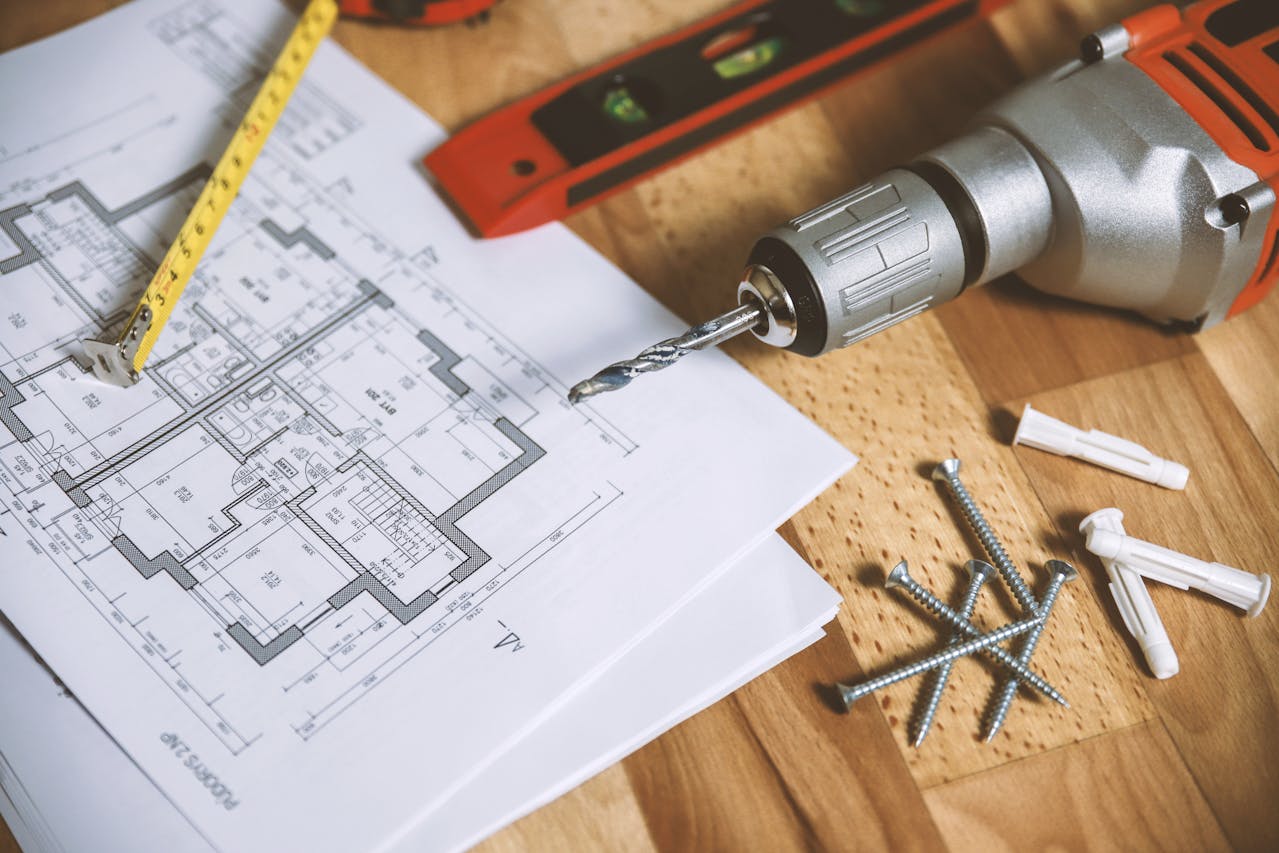
Routine maintenance includes broken appliances, minor cosmetic damage, clogged drains that don't affect the whole house, squeaky doors, and worn weatherstripping.
Urgent repairs need attention within 24 to 48 hours but don't require immediate response.
Emergencies require response within two to four hours and often within the same day.
The cost difference is significant. An emergency service call to a plumber on a Saturday night costs $150 to $400 just to show up, plus parts and labor.
A routine call during business hours costs $75 to $150 for the same work. Tenants who understand this distinction learn to triage their own calls and reserve after-hours contact for genuine problems.
Want to Know More About Your Property?
Setting Response Time Expectations
Clear response time expectations prevent misunderstandings and protect you legally. A written policy should state:
For true emergencies, the landlord or property manager will respond or dispatch a vendor within two to four hours, or as soon as possible if the call comes after midnight. This is a commitment to try, not a guarantee of instant response, especially during severe weather or holidays.
For urgent repairs, response should happen within 24 hours, with completion targeted within 48 hours.
For routine maintenance, the owner will schedule completion within five to seven business days.
Georgia landlord-tenant law requires that landlords maintain the property in habitable condition, which includes heat, water, electricity, and structural integrity. A documented policy that shows you respond promptly to real emergencies protects you if a dispute later arises.
Winter Emergencies in Georgia
Georgia's winters are mild compared to the North, but freeze-thaw cycles still cause burst pipes, especially in older homes or properties with poor insulation.
Burst pipes are the most common winter emergency in the region and cause thousands of dollars in damage if not addressed quickly.
A burst pipe is an emergency because water actively damages the property. If a tenant reports no water pressure or water spraying from a pipe, this requires immediate response. The tenant should shut off the main water valve if they know where it is and call immediately.
No heat in winter is an emergency in Georgia even though temperatures rarely drop below freezing for extended periods. A home without heat becomes uninhabitable and creates liability for the landlord. If the furnace fails in January, it needs repair or replacement the same day.
Having a plan before winter arrives reduces panic and cost. Know your vendors' winter availability, ensure the property has adequate insulation, and instruct tenants to let water drip slowly from faucets during hard freezes to prevent freezing.
Want to Know More About Us?
Documentation and Liability Protection
Record the time the tenant called, what they reported, what action you took, who you dispatched, when the vendor arrived, and what was repaired. If a tenant later claims you ignored a safety issue, this record proves you responded promptly.
A written emergency maintenance policy also protects you. It shows that you take maintenance seriously and have a system in place.
Conversely, if you ignore a genuine emergency or delay response unreasonably, documentation of the tenant's original report and your failure to act can be used against you in a habitability claim or small-claims court.
Conclusion
Distinguishing a true emergency from urgent or routine maintenance isn't complicated once you define it clearly. Safety threats, active property damage, and loss of essential services are emergencies and warrant immediate response.
The goal is to respond quickly to genuine problems while setting boundaries that prevent expensive false alarms. Atlanta Area Property and Management helps owners establish these policies and coordinates emergency response to keep properties and residents safe.
Ready to Get Started?
Frequently Asked Questions
Is a Tenant Lockout Always an Emergency?
A lockout is an emergency only if the property is unsecured or the tenant has no safe alternative shelter. If a tenant is locked out but the property is secure and they have a friend or family member with a spare key nearby, the issue can wait until business hours.
If the property is left open or the tenant has nowhere safe to stay, it becomes an emergency and warrants immediate response. A clear lease should specify whether the landlord or property manager provides lockout service and at what cost.
What Should a Tenant Do if They Report an Emergency but the Landlord Doesn't Respond?
If a tenant reports a genuine emergency and the landlord fails to respond within a reasonable time, Georgia law allows the tenant to hire a vendor and deduct the cost from rent in some circumstances, though the process and limits are strict.
A tenant should document the emergency, the time they reported it, the lack of response, and the vendor they hired. They should also provide the landlord with notice and an invoice.
Does a Broken Air Conditioner in Summer Count as an Emergency?
A broken air conditioner in summer is urgent but not always an emergency. If temperatures are in the 90s and the tenant is elderly, very young, or has a medical condition, the lack of cooling could pose a health risk and might warrant emergency response.
For most healthy adults, a broken A/C is uncomfortable but not immediately dangerous and can be repaired the next business day. The lease and local law should clarify the landlord's obligation.
Who Pays for Emergency Maintenance, and Can the Landlord Mark Up the Cost?
The landlord pays for emergency maintenance if it's caused by normal wear and tear or a defect in the property. If the emergency is caused by tenant neglect or misuse, the cost may be deducted from the security deposit or charged to the tenant, depending on the lease and local law.
A burst pipe from freezing is the landlord's responsibility. A burst pipe from the tenant ignoring frozen-pipe warnings might be partially the tenant's responsibility. A landlord should not mark up vendor invoices unless the lease explicitly allows it.
How Does Emergency Maintenance Affect Tenant Retention?
Fast, professional response to genuine emergencies improves tenant retention because it signals that the landlord cares about the property and the tenant's comfort. A tenant who reports a burst pipe and sees a vendor within hours feels valued.
A tenant who reports the same problem and hears nothing for two days feels neglected and is more likely to move at lease end. Conversely, responding too quickly to false emergencies wastes money and can encourage tenants to misuse the system.
Let's Get Started!