





Key Takeaways
Build your Marietta rental budget around more than the mortgage by accounting for maintenance, vacancy, turnover, taxes, insurance, and management expenses.
Maintain separate reserves for routine maintenance, emergency repairs, and tenant turnover so unexpected costs do not disrupt your cash flow.
Review your property's actual operating expenses each year and adjust your reserves as your investment strategy evolves.
Owning a rental property in Marietta involves more than covering the mortgage each month. Repairs, maintenance, vacancy, turnover, insurance, property taxes, and management expenses can all affect your actual return.
Without a realistic budget for these costs, an otherwise promising investment can become difficult to manage when an unexpected repair or extended vacancy occurs.
Understanding the full cost of operating a rental allows owners to make better decisions and protect long-term profitability, which is why the team at Atlanta Area Property Management has put together this guide to rental property expense management.
Understanding Property Management Fees
Property management fees are one of the ongoing expenses owners should include when evaluating a rental property's financial performance.
Depending on the management arrangement, these services may cover responsibilities such as rent collection, owner disbursements, rental property marketing, applicant screening, inspections, and coordination of day-to-day rental operations.
Owners should also understand which services are included in their management fee and which may carry separate charges. Leasing or tenant-placement services, for example, may be structured separately from ongoing management. Additional protection programs may also have their own costs.
Before choosing a management company, review the complete fee structure rather than comparing management percentages alone. A lower headline fee may not necessarily represent the lower overall cost if important services are billed separately.
Budgeting for Routine Maintenance and Repairs
Routine maintenance is a normal part of rental ownership and should have its own place in the annual budget. Common expenses can include HVAC filters, gutter cleaning, pest control, minor plumbing work, landscaping, and other upkeep necessary to keep the rental property in good condition.
A general budgeting approach is to reserve approximately 1% to 2% of a property's value annually for routine maintenance. Keep in mind that expenses can vary substantially depending on the rental property's age, condition, size, and systems.
Routine maintenance should also be distinguished from emergency repairs. A failed HVAC system in the middle of summer or a significant plumbing problem can require substantially more money than a typical maintenance expense.
Maintain a Separate Emergency Repair Reserve
Emergency repairs do not wait for a convenient time in the owner's budget. A major HVAC failure, burst pipe, roof leak, or other unexpected problem can require immediate attention.

Maintaining a separate emergency reserve can give owners more flexibility when these situations occur.
Georgia's rental laws also make timely attention to certain property conditions important. Owners should understand their responsibilities and have sufficient funds available to address necessary repairs rather than allowing a cash-flow problem to delay important work.
Account for Vacancy Losses
Vacancy costs are one of the things rental property owners most often underestimate.
If a Marietta rental property remains vacant for six weeks, the direct rental income loss is substantially greater than a single month's rent. The owner may also continue paying utilities, landscaping, rental property management expenses, and other costs while the home is unoccupied.
Rental pricing plays an important role in managing vacancy. Setting the rent too high can reduce demand and extend the time needed to find a qualified renter, while pricing below the market can leave potential income on the table.
Owners should evaluate comparable properties, condition, location, amenities, and current market activity when determining an appropriate rental rate.
Plan for Seasonal Leasing Activity
The timing of a vacancy can affect its financial impact.
Spring and summer are often active periods for residential leasing, while a rental property becoming available during a slower period may require a different marketing and pricing strategy.
For a Marietta owner, the difference between a property being rent-ready in May and becoming available in December can affect both the amount of interest it receives and the length of the vacancy.
This makes proactive lease planning valuable.
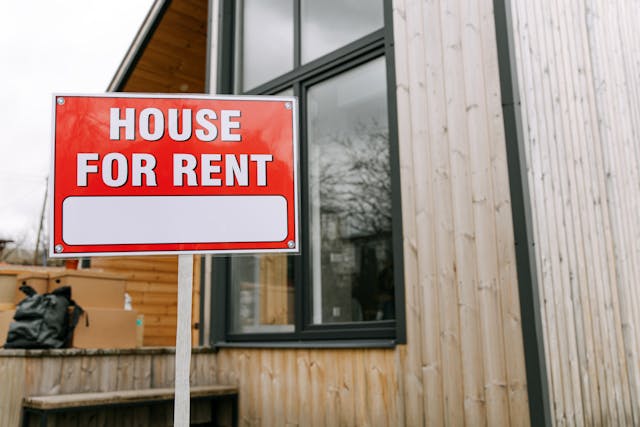
Owners should monitor upcoming lease expirations, begin turnover preparation in advance, and avoid assuming that every vacancy will last exactly one month.
Prepare for Tenant Turnover Costs
Turnover expenses can add up quickly between one tenancy and the next. Depending on the property's condition, owners may need to budget for cleaning, paint touch-ups, carpet cleaning or replacement, landscaping, rekeying, appliance repairs, and other rent-ready work.
A lighter turnover might cost several hundred dollars, while a rental property requiring flooring, appliances, or more substantial repairs can cost several thousand dollars.
Turnover frequency matters as well. A resident who remains in a rental property for several years results in fewer turnover cycles than a property experiencing annual turnover. Reducing unnecessary turnover can have a meaningful effect on the property's long-term operating expenses.
Include Property Taxes and Insurance in the Budget
Some rental expenses continue regardless of whether the property is occupied.
Property taxes and insurance are two of the most important examples. Owners remain responsible for these expenses whether the home is producing rental income or sitting vacant, so they should be included in the property's annual operating budget.
Landlord insurance should also be evaluated separately from owner-occupied homeowners insurance. Rental properties have different ownership and liability considerations, so owners should discuss appropriate coverage with their insurance professional.
Because taxes and insurance can change from year to year, reviewing the most recent bills and policy documents provides a good starting point.
Consider Additional Protection for Rental Risks
Owners may also consider whether additional protection programs make sense for their investment strategy.

For example, a protection package may address certain risks associated with rental ownership that are separate from standard property insurance. Coverage can vary by program and plan, so owners should review the specific terms, exclusions, limits, and costs before deciding whether additional protection is appropriate.
The important point is to view these expenses as part of the property's overall risk-management strategy rather than assuming standard insurance will cover every potential rental-related loss.
Build a Realistic Rental Reserve
A rental reserve should account for more than routine repairs. The appropriate reserve will depend on the property's age, condition, financing, expected turnover, and operating costs.
For example, an owner might maintain a routine maintenance reserve based on a percentage of property value, a separate emergency repair fund, and enough cash to cover one or more months of potential vacancy. Turnover funds can then be replenished after each move-out.
The goal is not to predict exactly when an expense will occur. It is to make sure one unexpected expense does not disrupt the property's entire financial plan.
Why Rental Reserves Matter for Long-Term Profitability
A rental property is a business investment, and cash reserves can help owners make decisions based on the property's long-term interests rather than short-term financial pressure.
Without sufficient reserves, an owner may be forced to delay necessary repairs, accept unfavorable leasing rules simply to generate immediate rental income, or use personal funds to cover an unexpected expense.
Owners should review their reserves regularly and compare them with actual expenses.

A reserve that was appropriate when the property was purchased may need to change as the property ages and operating costs increase.
Bottom Line
The true cost of owning a rental property in Marietta extends well beyond the mortgage payment. Maintenance, emergency repairs, vacancy, turnover, taxes, and management expenses all influence the property's actual cash flow and long-term return.
Building reserves for these expenses gives owners a clearer picture of what their investment requires and provides a financial cushion when unexpected costs arise. Contact Atlanta Area Property Management today for help planning for the full cost of operation.
Frequently Asked Questions About Marietta Rental Property Operating Costs
How Much Should I Budget for Rental Property Maintenance in Marietta?
A common budgeting approach is to reserve approximately 1% to 2% of a property's value each year for routine maintenance, although actual expenses vary by property. Older homes, properties with aging HVAC systems, and rentals with deferred maintenance may require more.
Owners should also maintain a separate emergency fund because routine maintenance reserves may not be sufficient for major repairs. Reviewing the property's maintenance history can provide a more useful estimate than relying solely on a general percentage.
What Rental Expenses Continue During a Vacancy?
Several rental expenses can continue even when a property is not generating rental income. Property taxes, utilities, landscaping, and certain property management expenses may still need to be paid during a vacancy.
Owners may also incur marketing and rent-ready costs while preparing the property for its next tenancy. Including these expenses in a vacancy reserve can give investors a more accurate understanding of the financial impact of an unoccupied property.
What Should I Include in a Rental Property Operating Budget?
A comprehensive operating budget should include recurring and occasional expenses rather than focusing only on the mortgage. Owners should account for property taxes, insurance, routine maintenance, emergency repairs, vacancy, turnover, utilities paid by the owner, marketing, and property management expenses when applicable.
Capital improvements and major replacements should also be considered separately from ordinary maintenance. Reviewing actual expenses annually can help investors adjust their reserve targets and improve the accuracy of future cash-flow projections.
How Much Can Tenant Turnover Cost a Marietta Landlord?
Turnover costs vary significantly depending on the property's condition and how much work is required between occupants. A light turnover might involve cleaning, minor paint work, landscaping, and rekeying, while a property requiring flooring, appliances, or more extensive repairs can cost several thousand dollars.
Owners should budget for turnover rather than assuming the security deposit will cover every expense. Tracking the actual cost of each turnover can also help investors develop more accurate projections for future vacancies.
How Can I Reduce the Financial Impact of Rental Vacancies?
Owners can reduce the potential impact of vacancy by maintaining the property properly, monitoring lease expiration dates, pricing the rental appropriately, and preparing for turnover before the existing tenancy ends when practical. Strong marketing and an organized leasing process can also help keep the transition moving.
However, owners should avoid assuming that every property will lease within a specific number of days. Building a vacancy reserve remains important even when the rental has historically experienced short vacancies.